West Chicago Historic Ornament Series Collector's Guide
Please visit our museum during open hours to purchase ornaments. You may also call us at (630) 231-3376 to order or order online at www.gallery200.net.
All ornaments are $10 each; we ship anywhere in the United States for a $3 shipping fee.
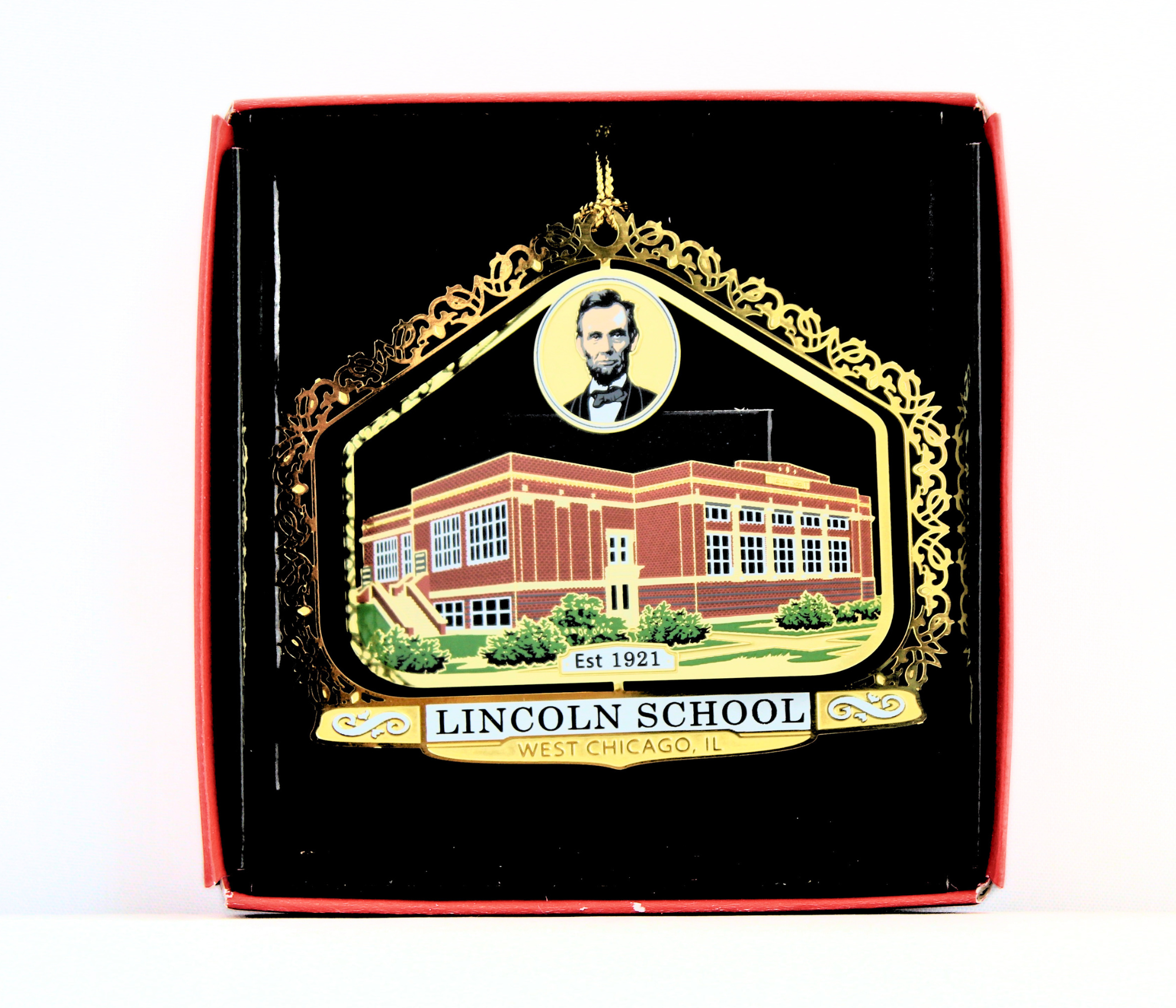
2020 Lincoln School
Lincoln Elementary School was built in 1921 on the former site of the Conley house. In response to the fire that destroyed the South Side School in 1919, Lincoln Elementary was constructed and became part of the original portion of West Chicago Community School. The school went through many changes throughout the years including remodels in 1951, 1959, 1964 and 1968. Lincoln School closed its doors after over 70 years of service in 1994 when the High School bought the building.
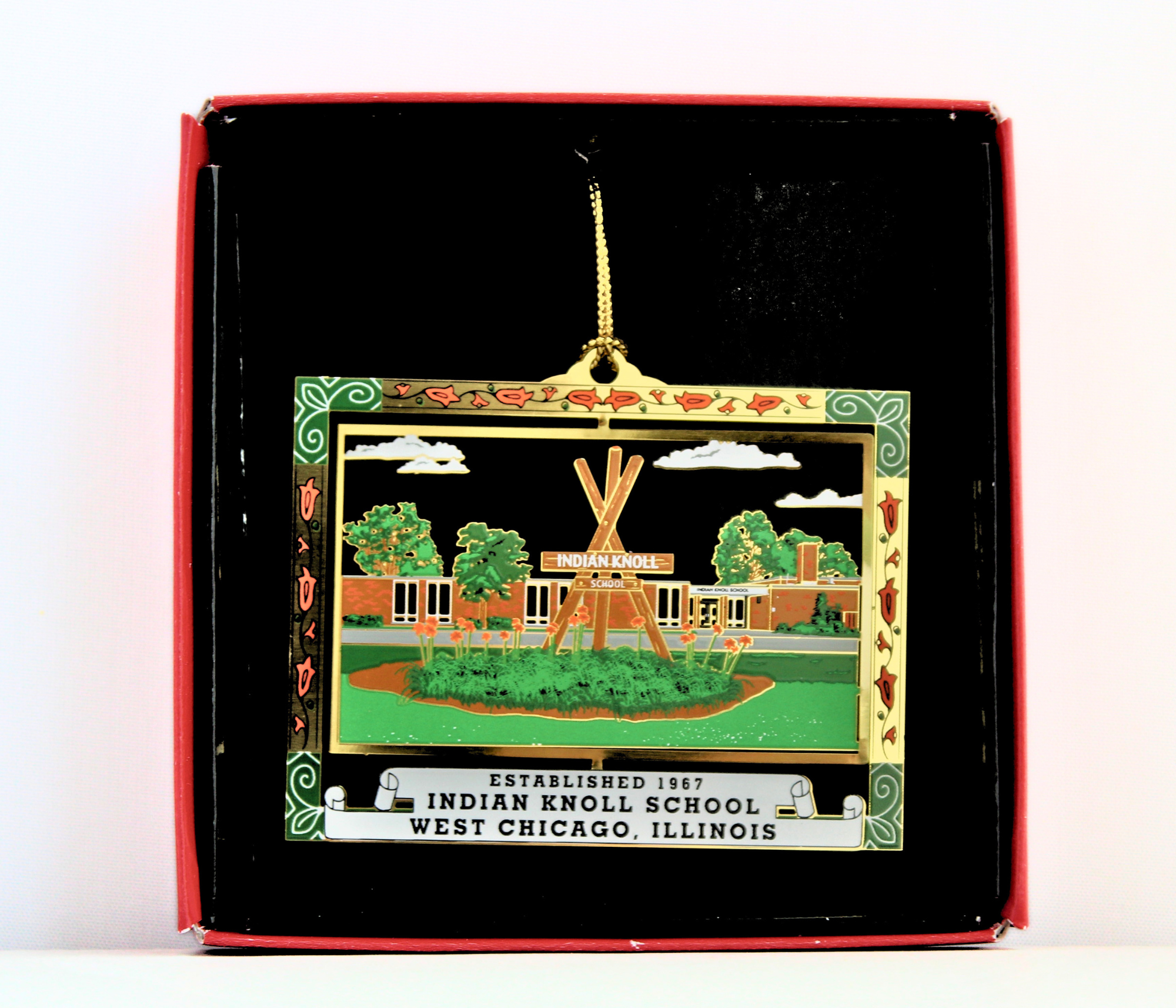
2017-2018 Indian Knoll School
50th Anniversary
Indian Knoll School was built near the High Lake Subdivision and opened with 14 classrooms in 1967. Its name comes from the Native American tribes that were present in the area prior to the 1830s. A dedication exercise and visitation period was held on Sunday, November 5, 1967. Mr. Ray Hosteland, First Assistant County Superintendent of Schools, spoke at the dedication. Over 600 people attended. Indian Knoll is one of six elementary schools in District 33.
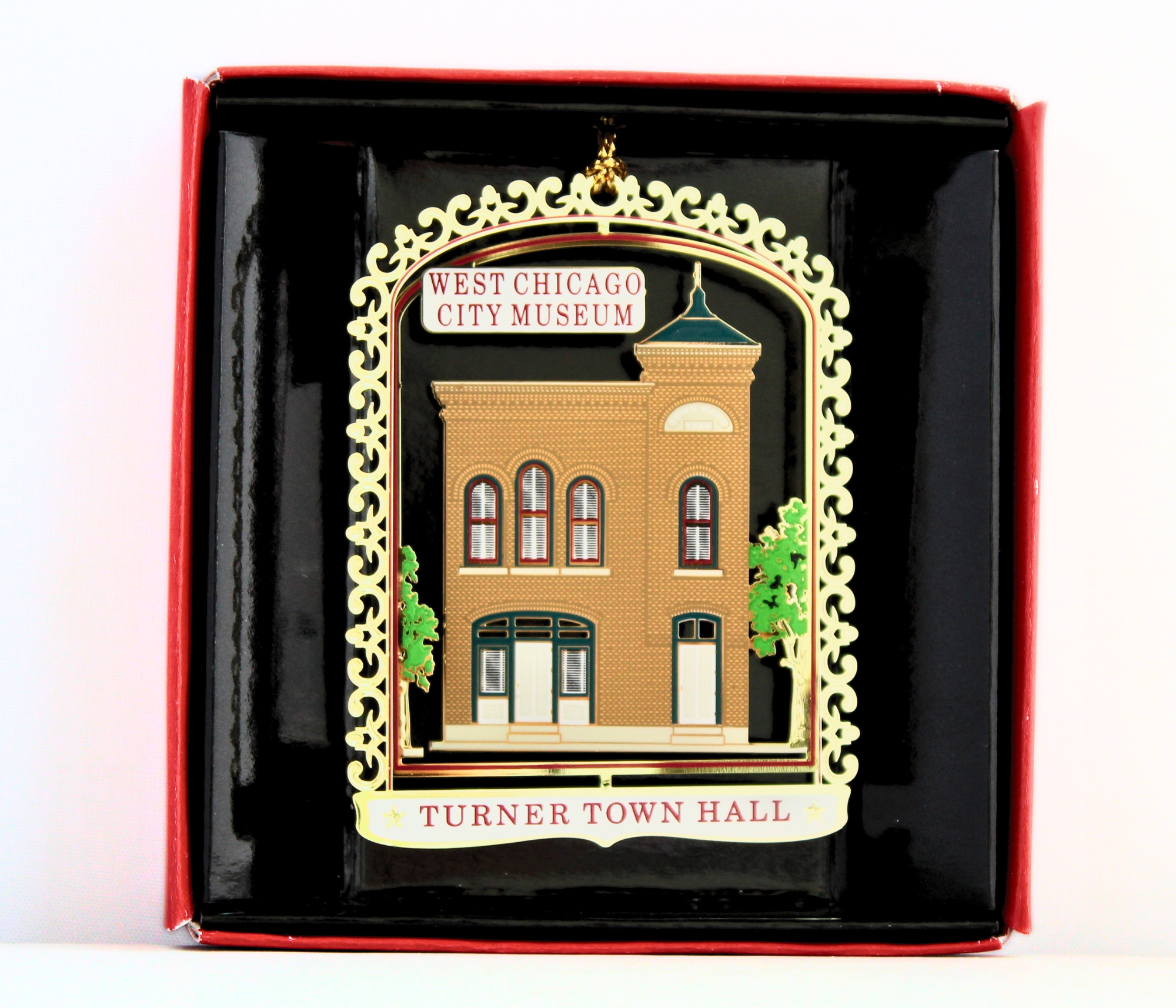
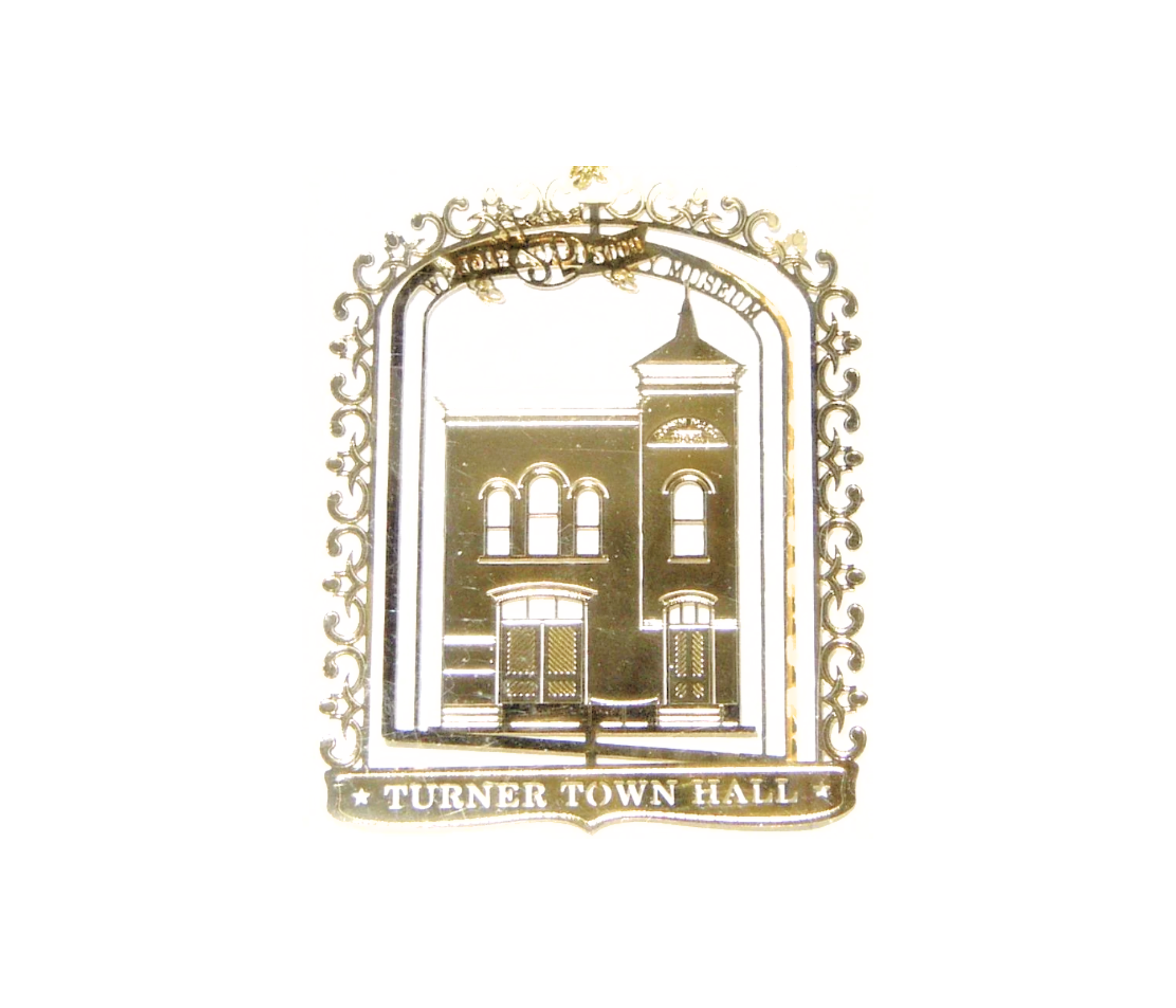
2014- Turner Town Hall (Reissue)
The Town of Turner (West Chicago's predecessor) built this Italianate style Town Hall in 1884. It served for 92 years as the community's governmental center. As the first home of local police and fire departments and the public library, the hall also hosted bazaars, art exhibits and monthly dances. In 1975 the building because the home of the West Chicago City Museum. It was designated a National Register site in 1991, due to its historical value as an early political and cultural center. It continues to hold a place of importance as the repository of West Chicago's history.
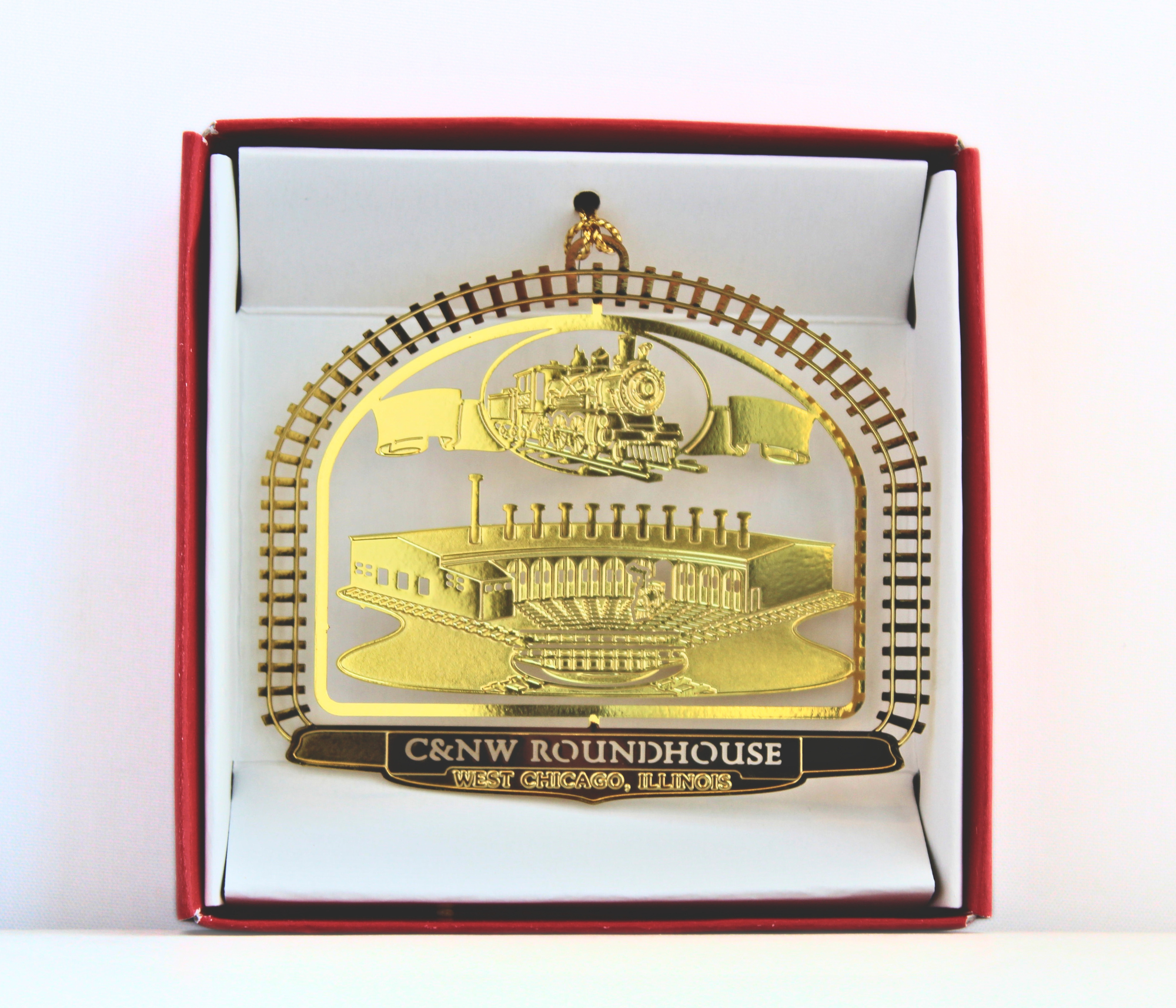
2011- C&NW Roundhouse
This Chicago & North Western Railroad roundhouse was built in 1869. Steam locomotives were placed on a revolving 70-foot long steel turntable and backed into one of 13 engine stalls. The roundhouse and turntable were part of a large complex of buildings assembled for the repair and refueling of trains. In 1953 the roundhouse suffered a devastating fire; it was never rebuilt, as steam locomotives were soon replaced by diesel engines with reversible motion.
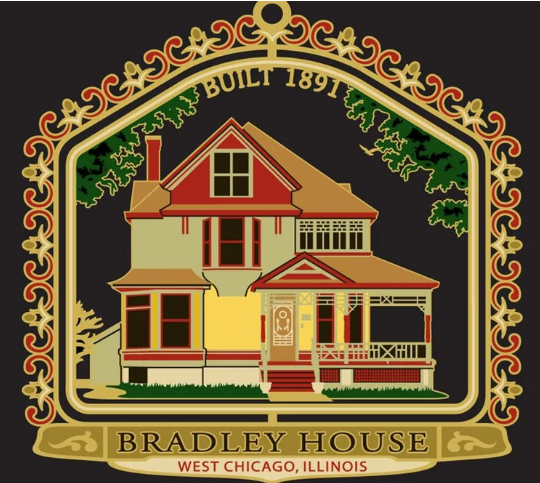
2008- Bradley House
This frame Queen Anne style home at 348 Arbor Avenue was built in 1891 for Henry Bradley, a successful grain dealer. Bradley served as one of the first Village of Turner (West Chicago’s previous name) trustees in 1873. A variety of window sizes and placement, an open porch with delicate spindle work, a combination of bays, a steeply pitched multi-planed roof and original paint colors are elements of this locally designated landmark.
2011- C&NW Roundhouse
This Chicago & North Western Railroad roundhouse was built in 1869. Steam locomotives were placed on a revolving 70-foot long steel turntable and backed into one of 13 engine stalls. The roundhouse and turntable were part of a large complex of buildings assembled for the repair and refueling of trains. In 1953 the roundhouse suffered a devastating fire; it was never rebuilt, as steam locomotives were soon replaced by diesel engines with reversible motion.
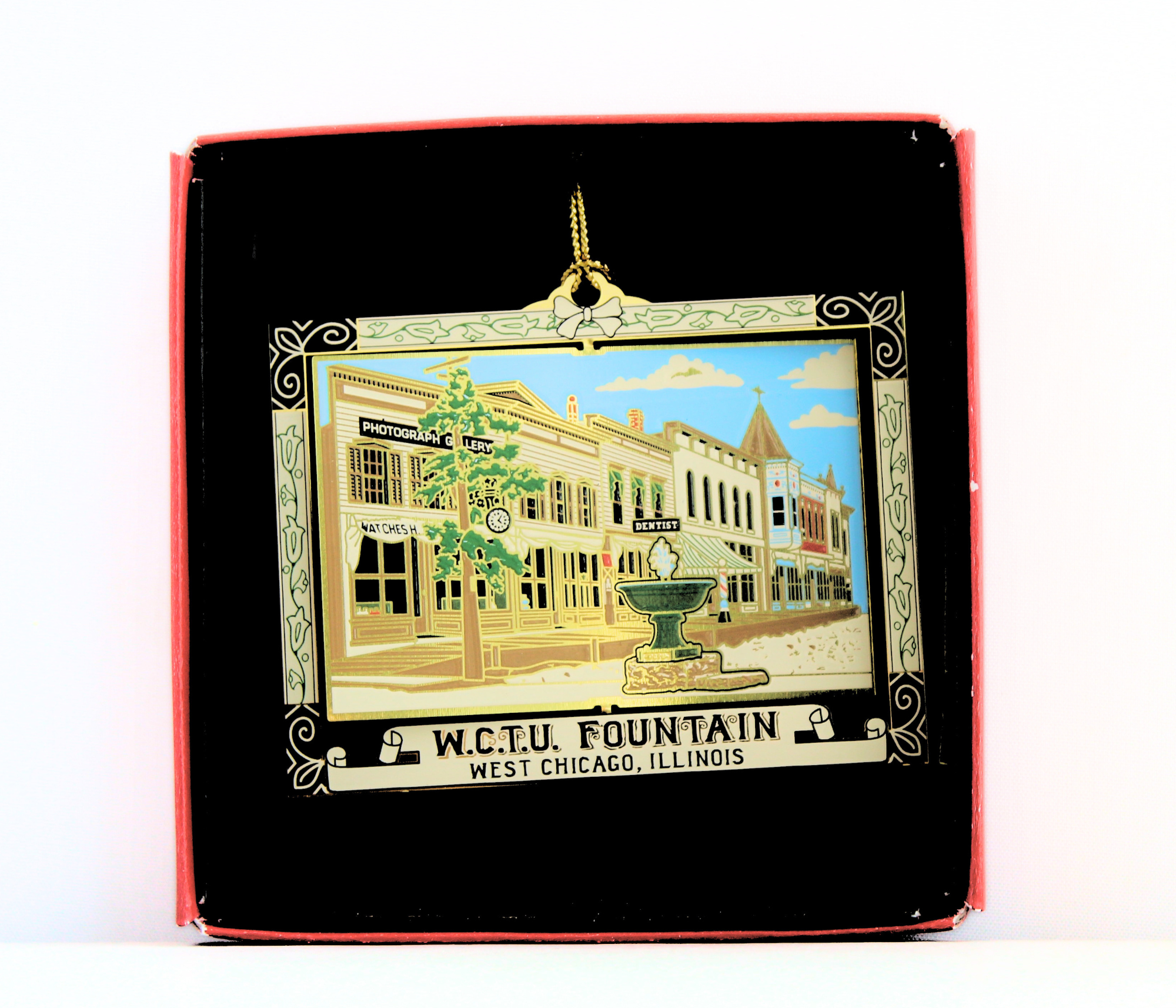
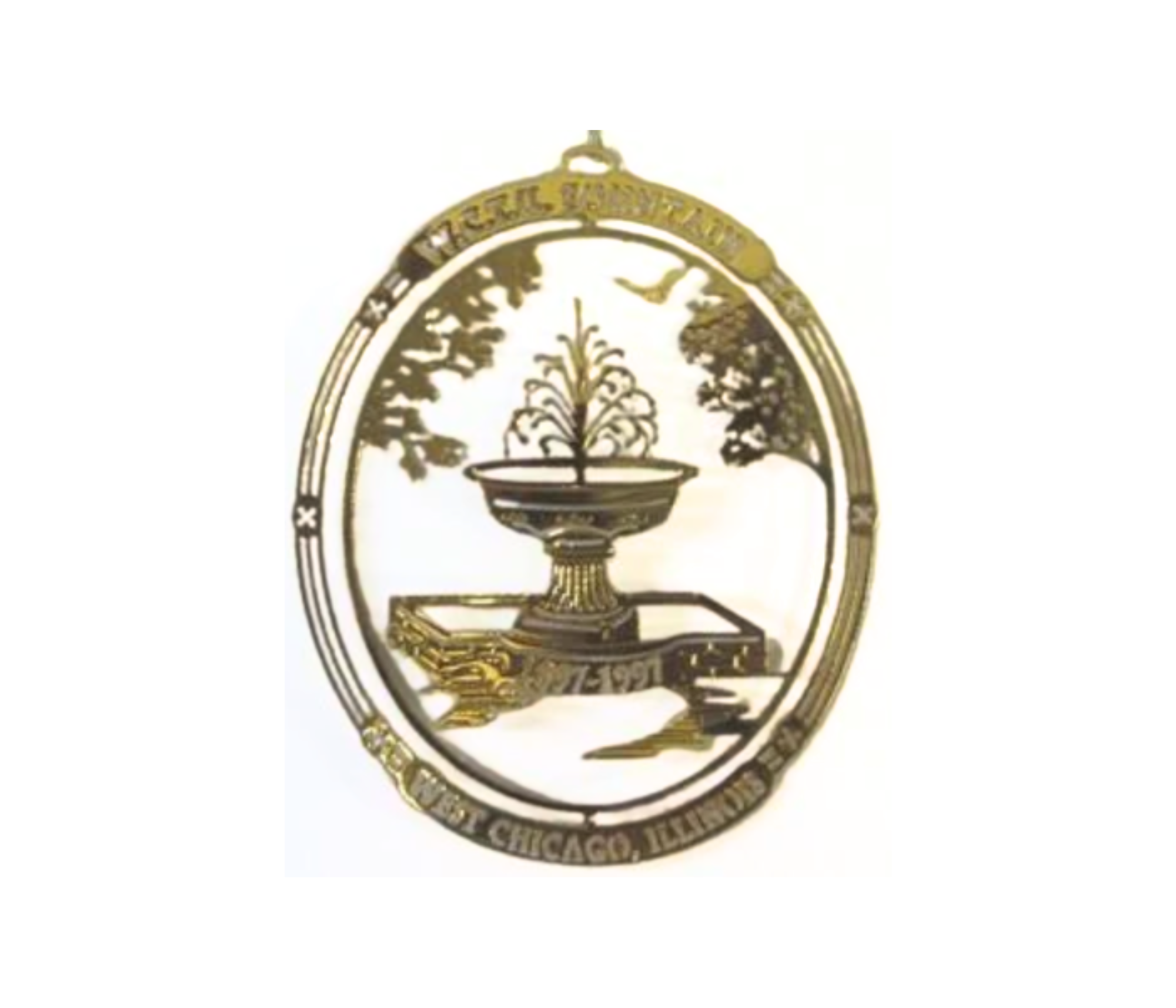
2019 W.C.T.U. Fountain
On October 14, 1897, the Woman’s Christian Temperance Union dedicated a small fountain placed at the intersection of Main and Washington Streets. It provided refreshment for both horses and people. In 1909, construction crews began laying track down Main Street for the new interurban line, the Aurora Elgin & Chicago, so the fountain was moved closer to the north side of the intersection. In the 1930s it was moved to Galena and Washington Streets and retrofitted as a flower planter. In 1995 it was placed at 126 Main Street and restored to a fountain.
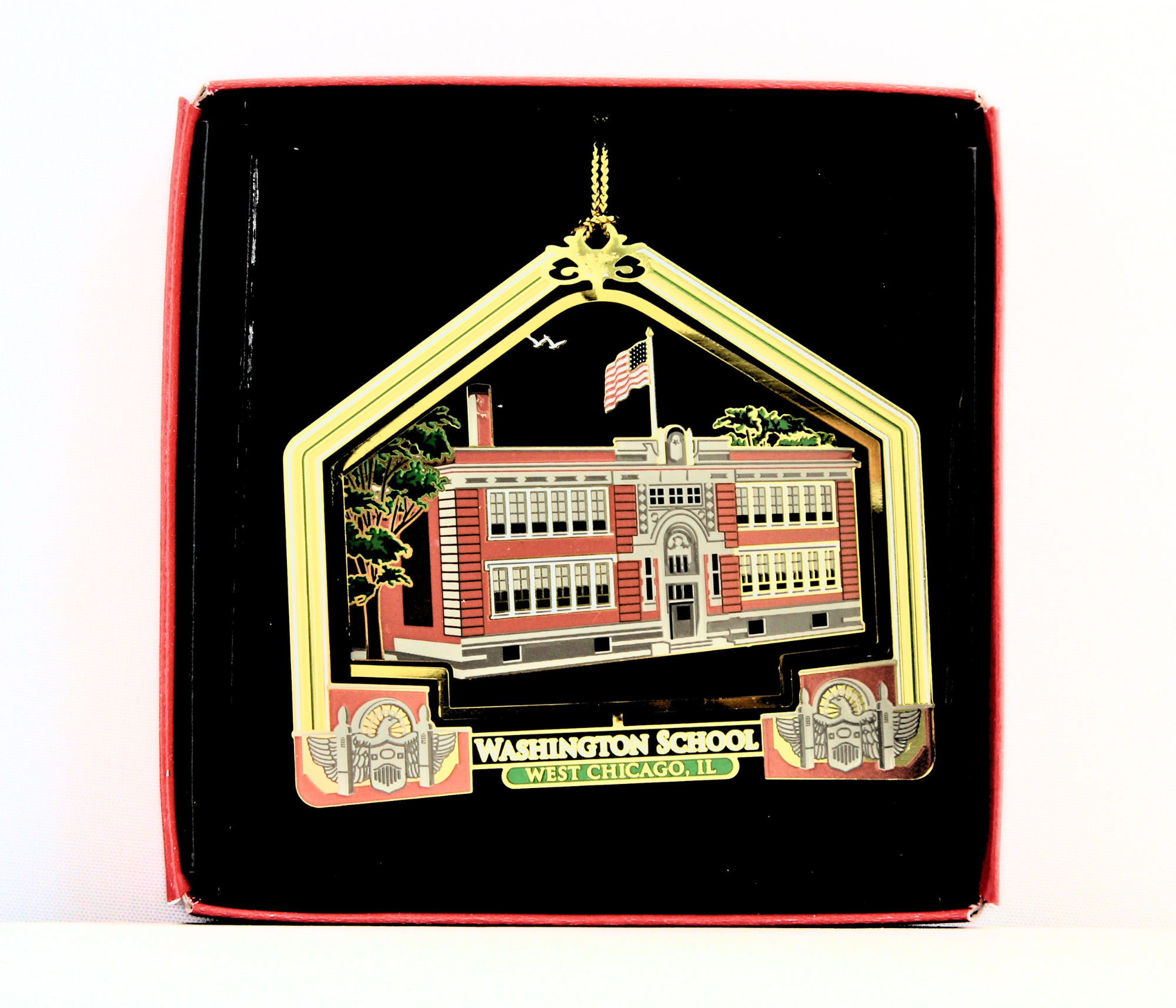
2017- Washington School
The first brick and stone school building in West Chicago, the fourth schoolhouse erected, was built in 1873 on the northwest corner of Fremont and McConnell Streets. After 1887 the school became known as North Side School, as South Side School was finished in that year, and served both elementary and high school classes. After a successful referendum North Side School was remodeled in 1908 with part of a new building being built on the 1873 building’s foundation. The school retained the name North Side school until 1931, when it was changed to Washington School and by then only housed elementary students. When Turner School opened in 1953, the elementary students from Washington went there. Washington School was then the home of the junior high school. When the West Chicago Junior High opened in 1962, Washington School was mothballed. In June of 1969 the school was demolished, when the West Chicago Fire Protection District bought the land for a new fire station. The eagle monument from the top of Washington School still stands in front of the Fire Station.
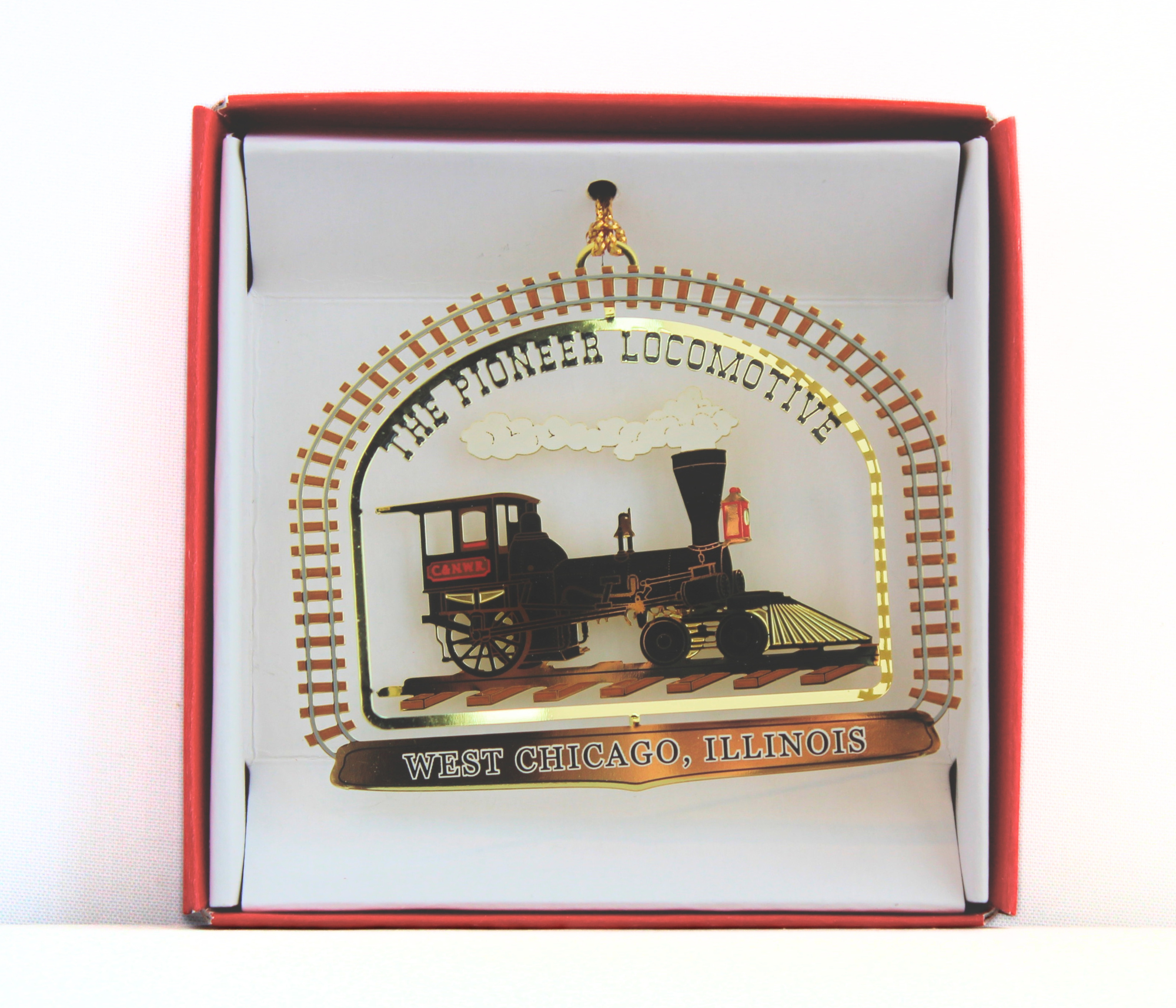
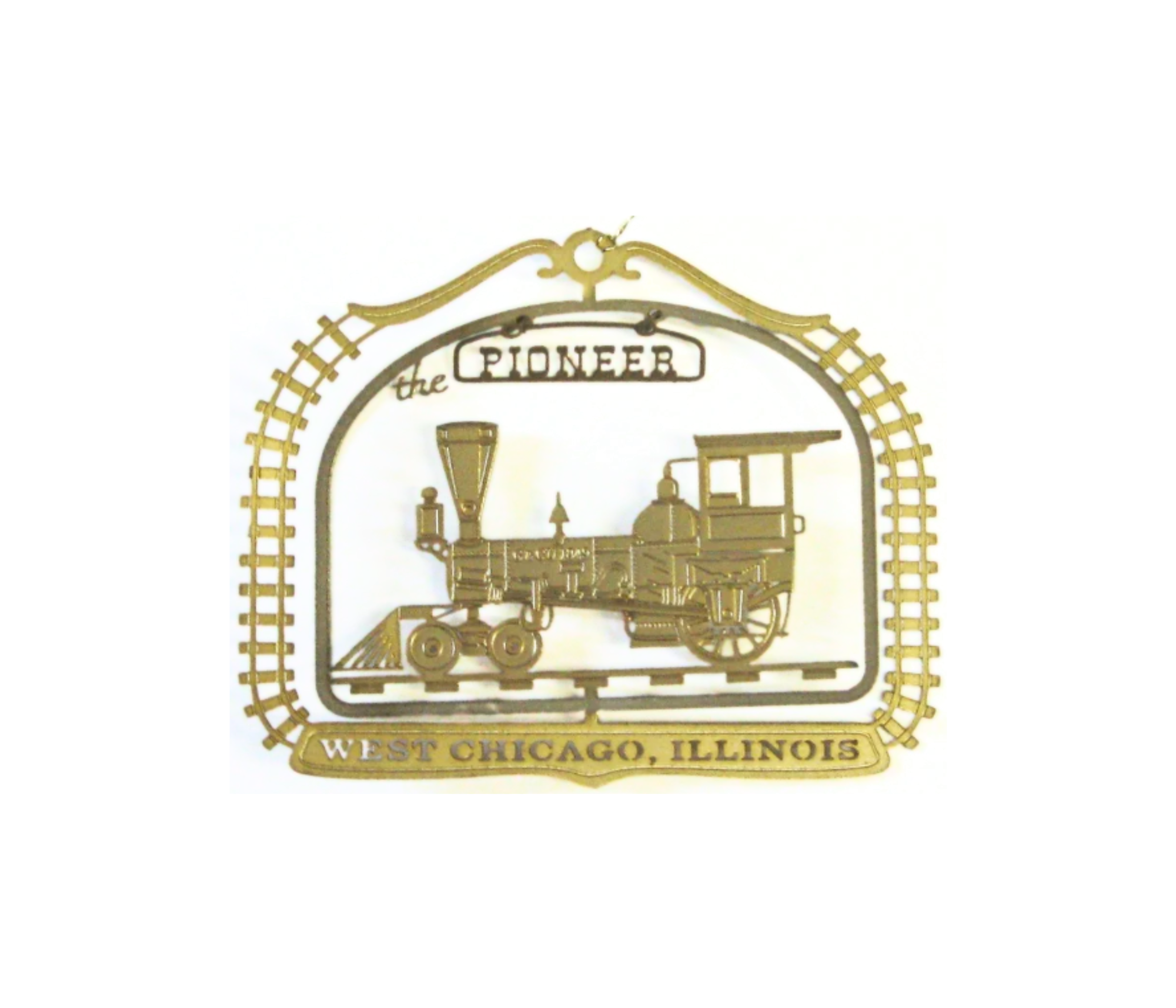
2014- Pioneer Locomotive (Reissue)
This was the first locomotive used by the Galena & Chicago Union Railroad which began operating west from Chicago in October of 1848. Tracks reached what would become known as Junction (now West Chicago) in November of 1849. A year later, the newly created Aurora Branch Railroad borrowed the ten ton engine to run its cars from Junction to Aurora. The Pioneer was a second-hand Baldwin engine which remained in regular service until 1858, pulling a maximum load of seven cars. Since 1972 the Pioneer has been on exhibit at the Chicago History Museum.
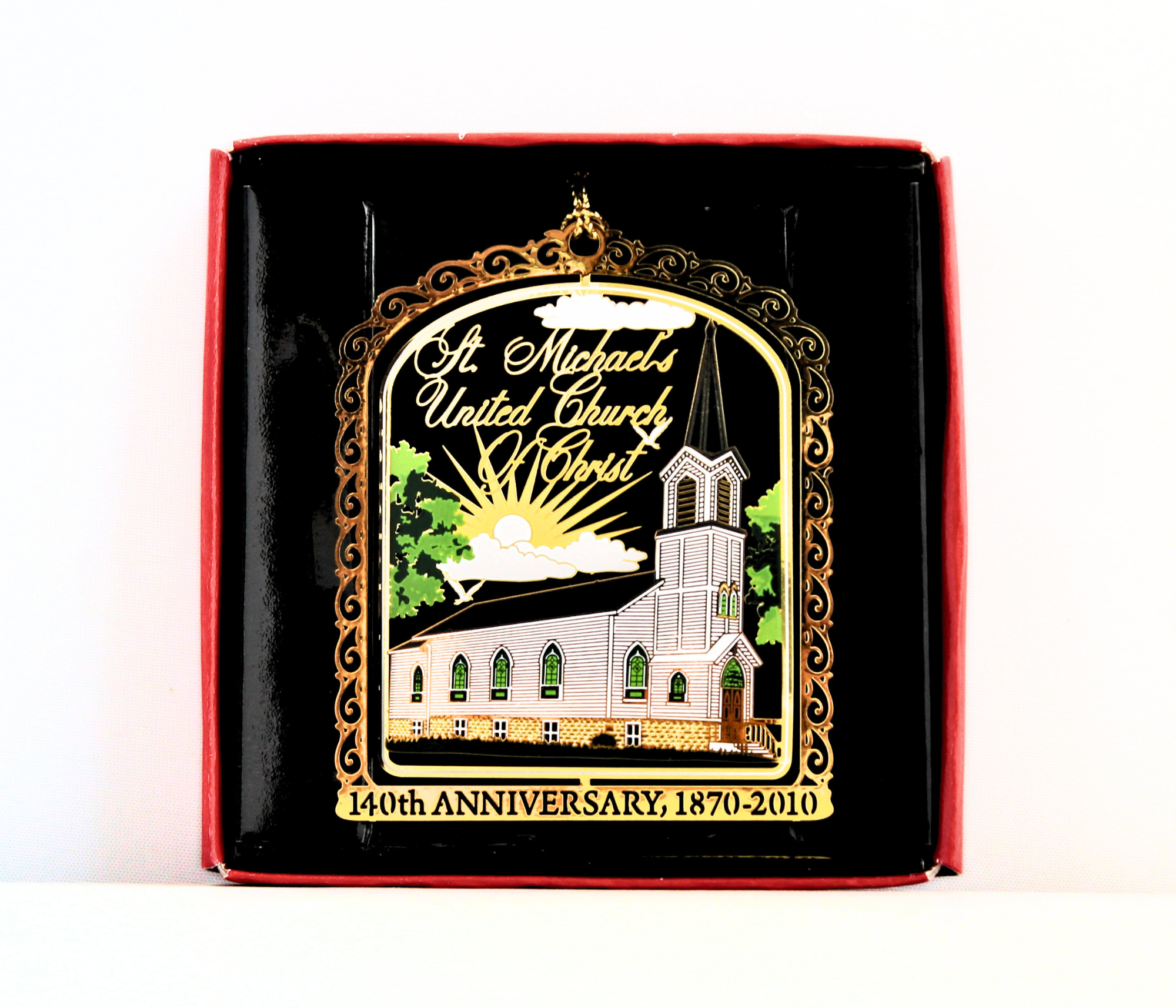
2010- St. Michael’s United Church of Christ
Built in 1870, this church at 400 W. Washington Street was the fourth to be constructed in Turner, and now is West Chicago’s oldest remaining original church structure. Originally chartered as the German United Evangelical St. Michael's Church in 1869, it was one of three German language churches in the Old Heidelberg Neighborhood. In 1890, a bell tower, steeple and 1,050 pound bell were added; an addition to the south and stained glass windows were 1911 improvements.
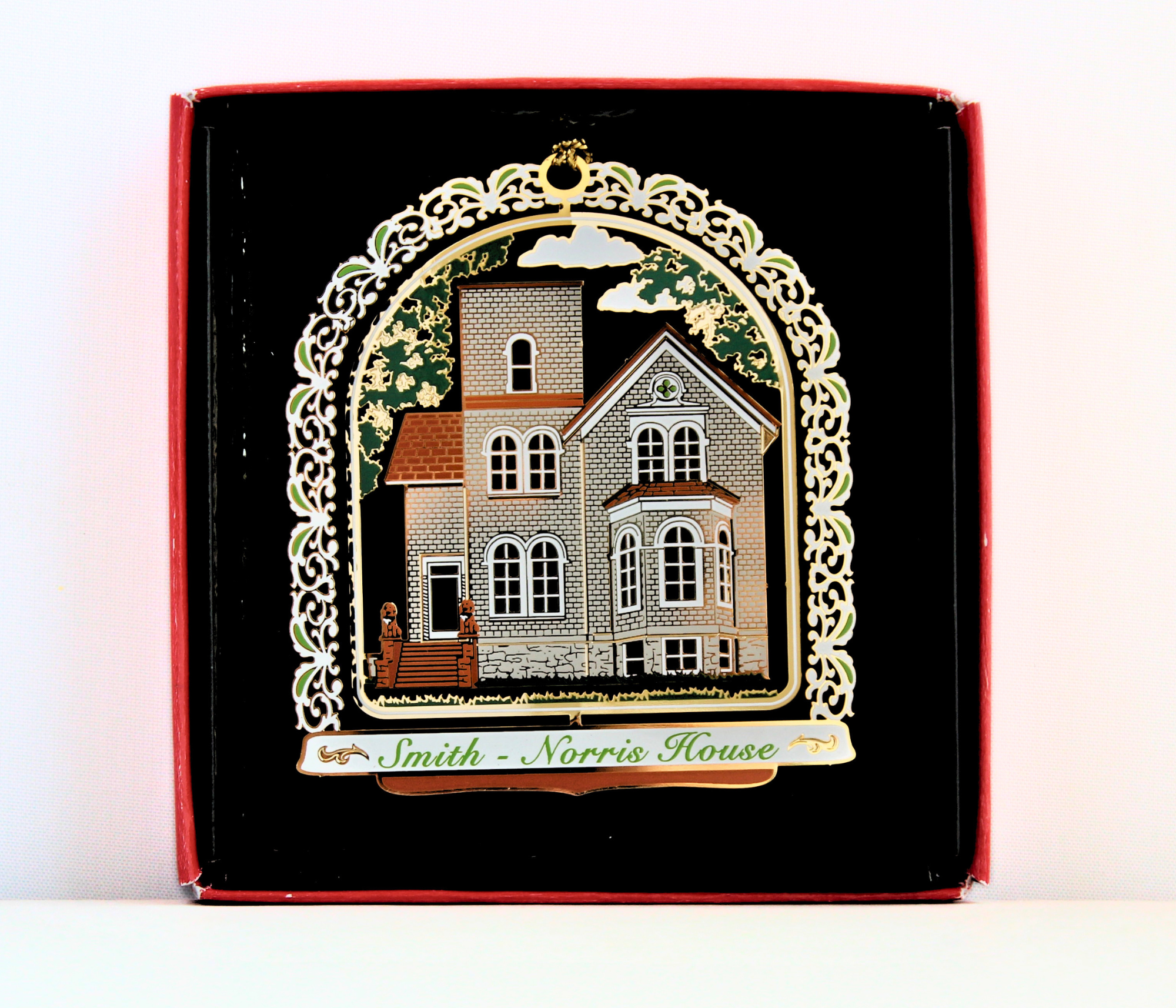
2007- Smith-Norris House
This brick Italianate style home with distinctive tower at 216 Arbor Avenue was built around 1869. Reverend Isaac Smith, a Congregational minister who was accused of drowning his wife, was brought to trial for murder and acquitted. Smith received a life insurance payment of $6,000, which most likely financed the house construction. He lived in the house but one year. Charles E. Norris, local undertaker, and his family later bought the home and members of the family occupied it for almost 40 years.
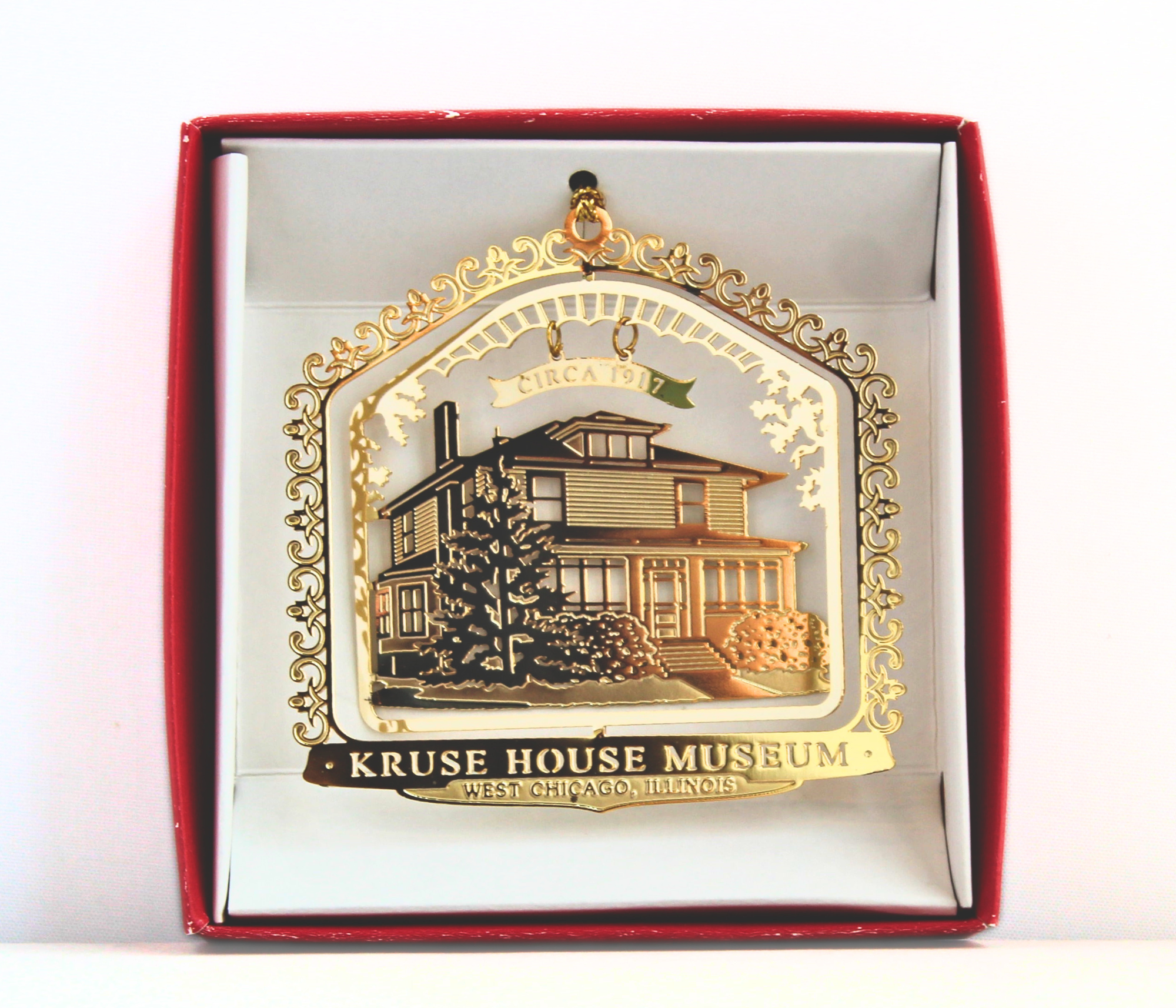
2004- Kruse House Museum
This Four Square style home at 527 Main Street was built circa 1917 for Fred and Bertha Buchert Kruse. Fred was a collector for the Chicago & North Western Railroad. The Kruses’ daughter, Celia, bequeathed the house to the West Chicago Historical Society upon her death in 1975. The Society has operated it as a house museum since 1979. The house retains its original period furnishings.
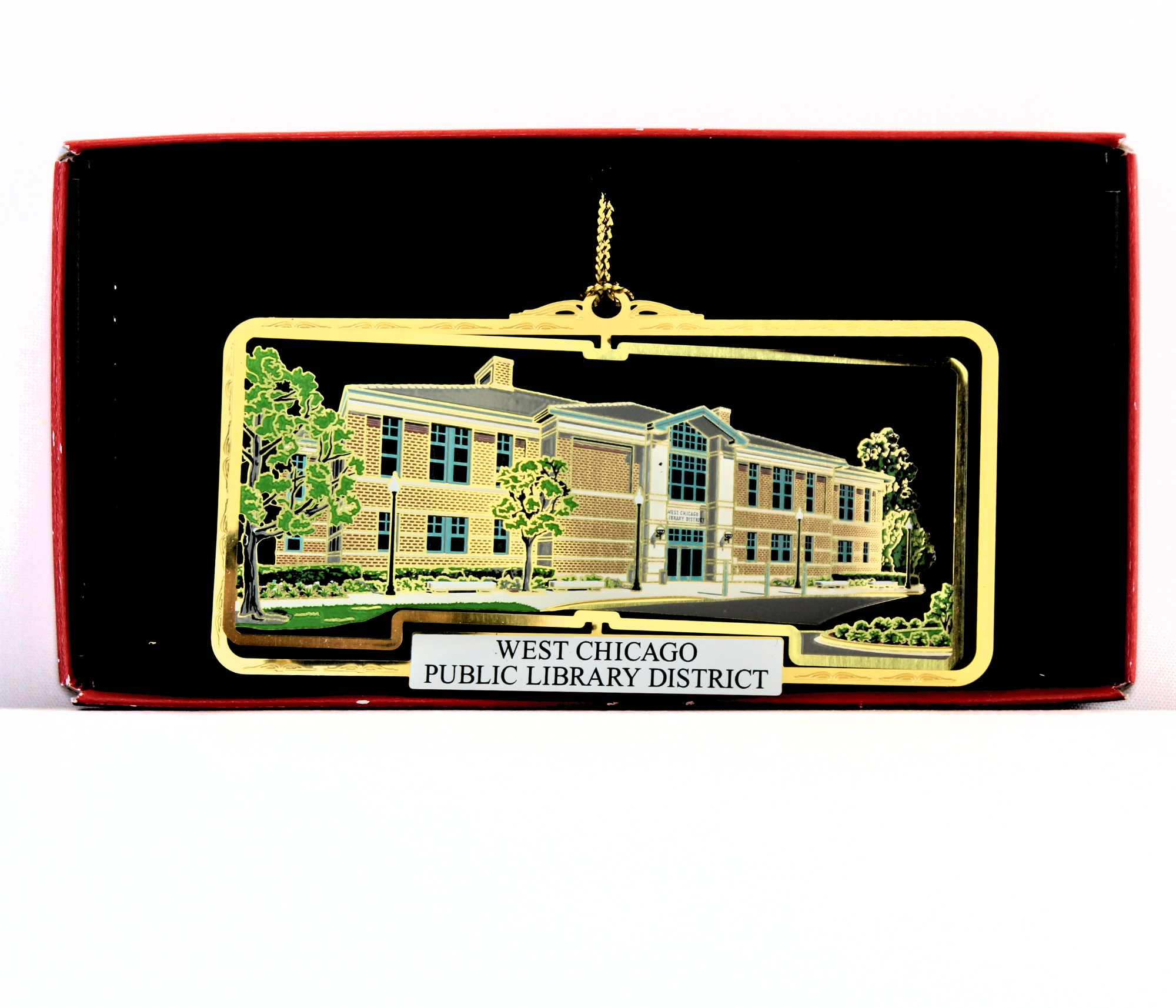
2018 West Chicago Public Library District
The first library in town dates to 1879 when a railroad excursion trip raised money for an reading room. In 1894, a committee of eight residents formed the Turner Reading Room & Library Association and opened in two rooms of the Bolles Opera House. From 1929 until 1953, the library was housed in three downtown locations before a dedicated library building opened at 332 E. Washington St. on May 15, 1953. In 1986 the Library District was formed, converting it from a municipal library. On October 9, 1993, the current building was opened at 118 W. Washington St.
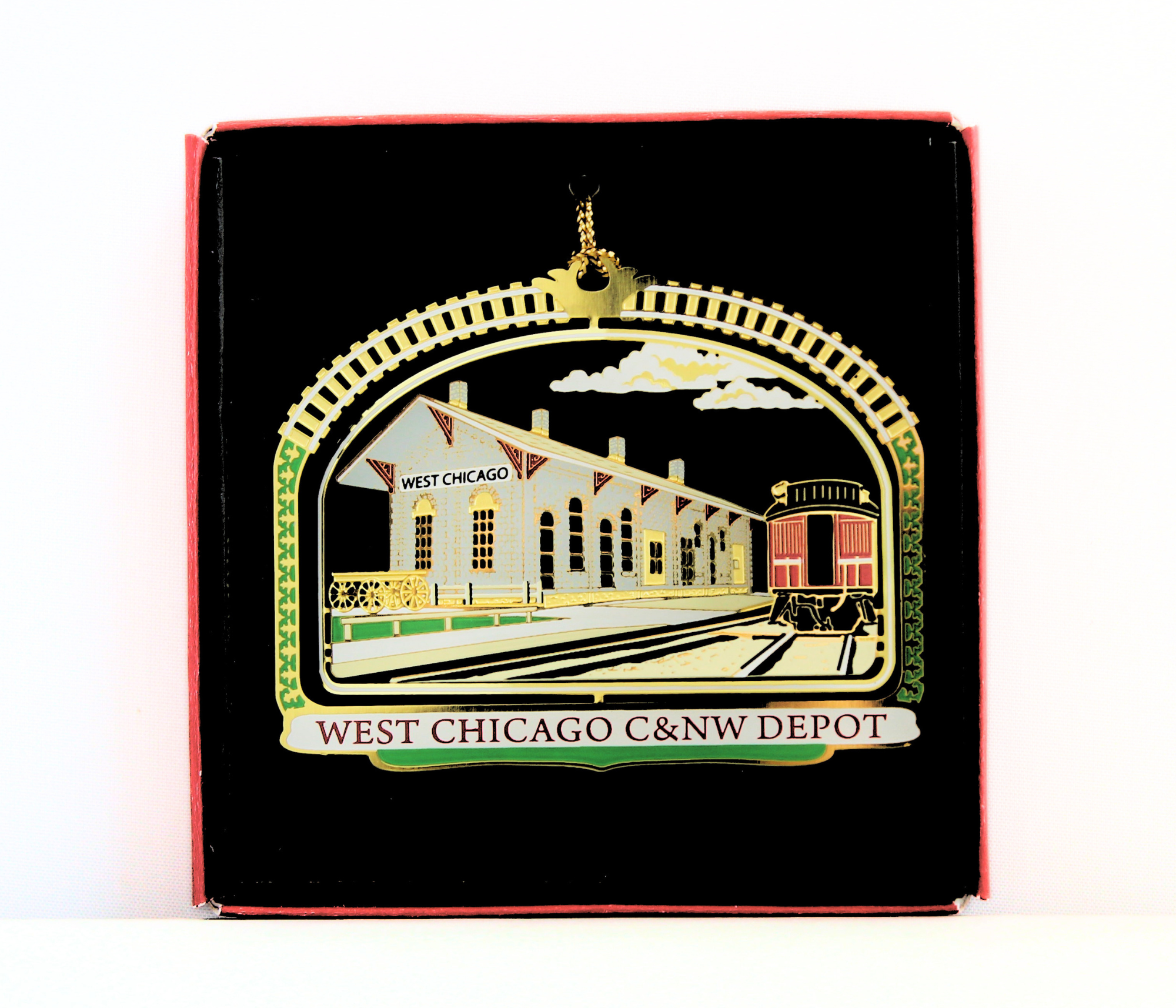
2015- Chicago NorthWestern Depot
The 1869 Chicago & NorthWestern Depot was originally located at 306 Main Street. The brick building was moved to W. Washington Street in 1912 and a new depot was built in its place, which is today the Wayne & Helen Fox Community Center. The 1869 depot was built to impress railway passengers, with stylish and substantial wide roof overhangs and ornate bracketing. At one time, tracks ran on both sides of the depot, which served both freight and passenger trains.
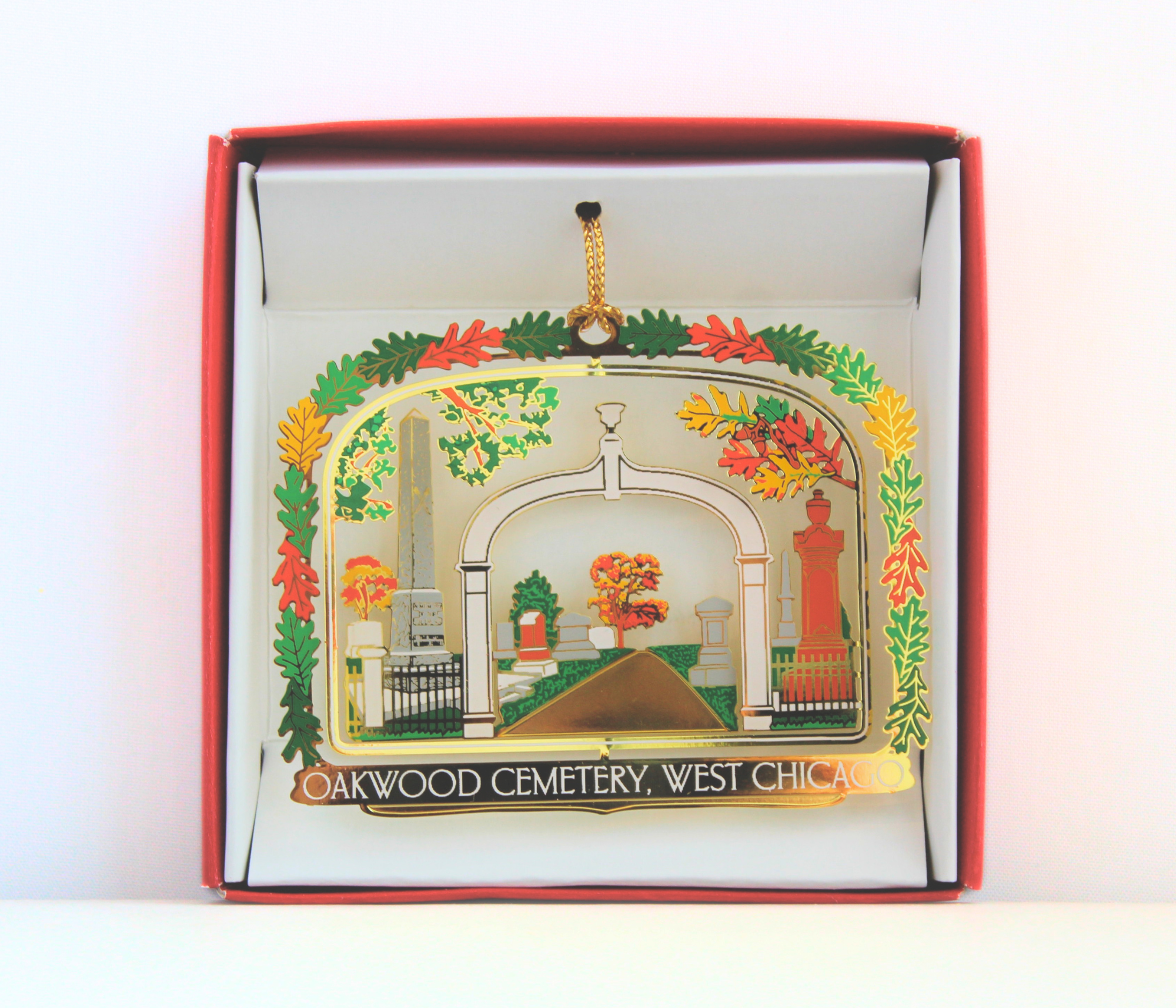
2012- Oakwood Cemetery
The Oakwood Cemetery Association was established in 1858. The original cemetery plat, surveyed by Jonathan G. Vallette, measured 132’ x 330’ and contained 198 lots. Dr. Joseph and Mary McConnell and Job and Alice Smith donated the land. There have been two additions to the cemetery, one in 1881 and the second in 1898. At one time Oakwood Cemetery’s name was featured on an iron arch at the York Avenue entrance.
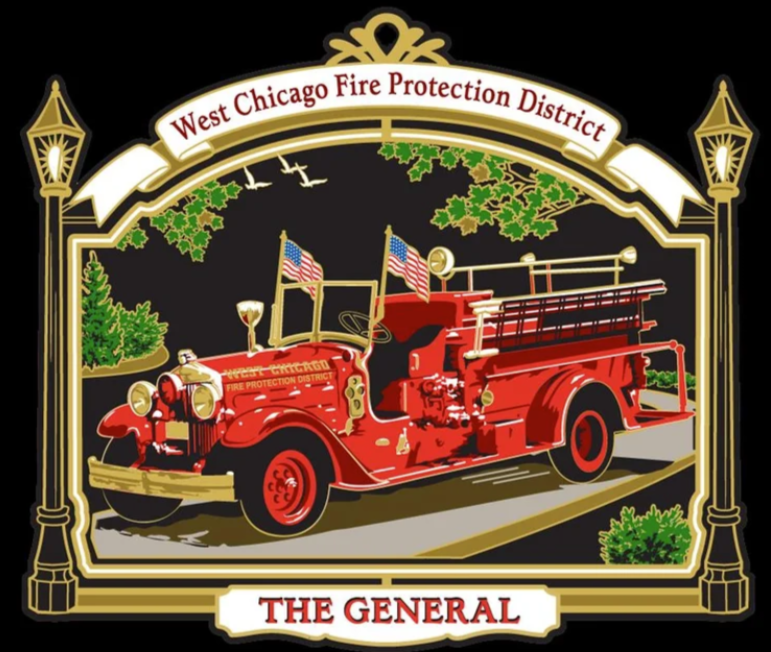
2010- The General
In 1934 a big new truck, nicknamed "The General," came to West Chicago from the General Manufacturing Company of St. Louis. The handsome machine had a 113-horsepower, six-cylinder motor capable of speeds up to 70 mph. Its high-speed centrifugal pump discharged water at the guaranteed rate of 500 gallons per minute. The truck was in regular service until 1960, and then placed on reserve. It provided needed service in the 1962 American Legion fire.
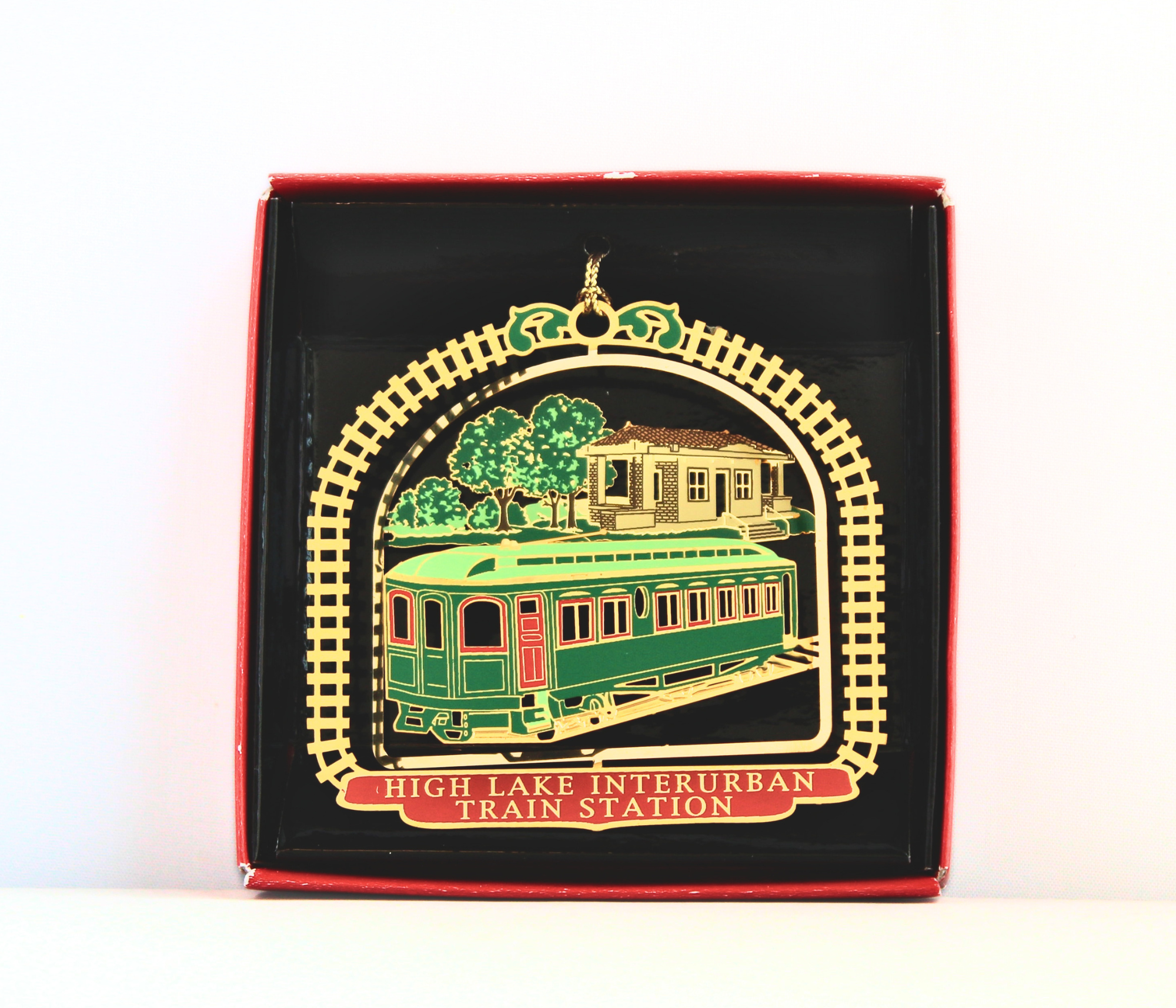
2005- AE&C High Lake
High Lake was an early “streetcar suburb,” developed in 1910, and serviced by the Geneva branch of the Aurora Elgin & Chicago (AE&C), an electric interurban railway. Commuter service began in 1909 and one could travel from High Lake to Chicago in under an hour. In 1910 an attractive brick station with a clay tile roof was built. Travelers would raise a semaphore signal to stop the train at the station. Service on the Geneva branch was discontinued in 1937.
Out of Stock
-
![]()
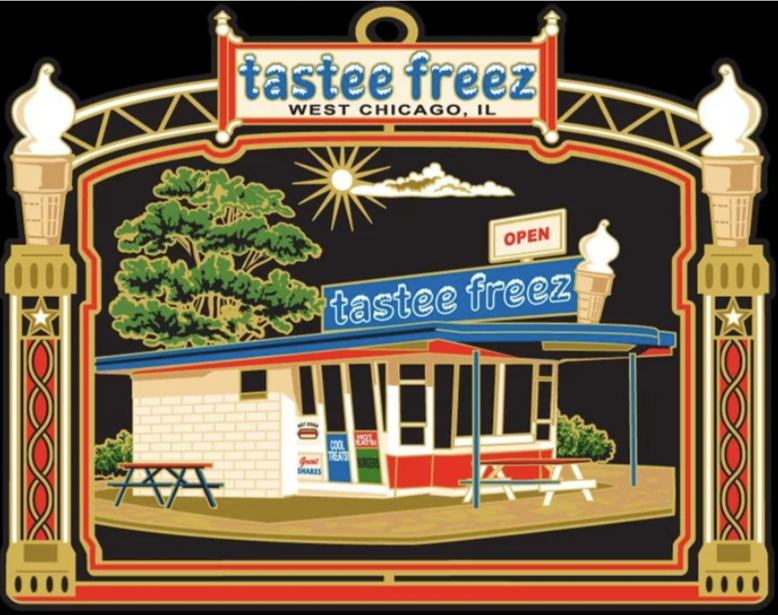
Tastee Freez (Out of Stock)
2009
This traditional seasonal walk-up ice cream stand at 130 Fremont Street was built in 1955. Established in 1950 the Tastee-Freez chain remains one of the oldest franchise operations in the U.S.; with their automatic continuous mix freezer they made soft-serve ice cream an American treat. The West Chicago franchise received the 2008 National Store Owner of the Year Award as the best of more than 1,000 stores in the U.S.
-
![]()
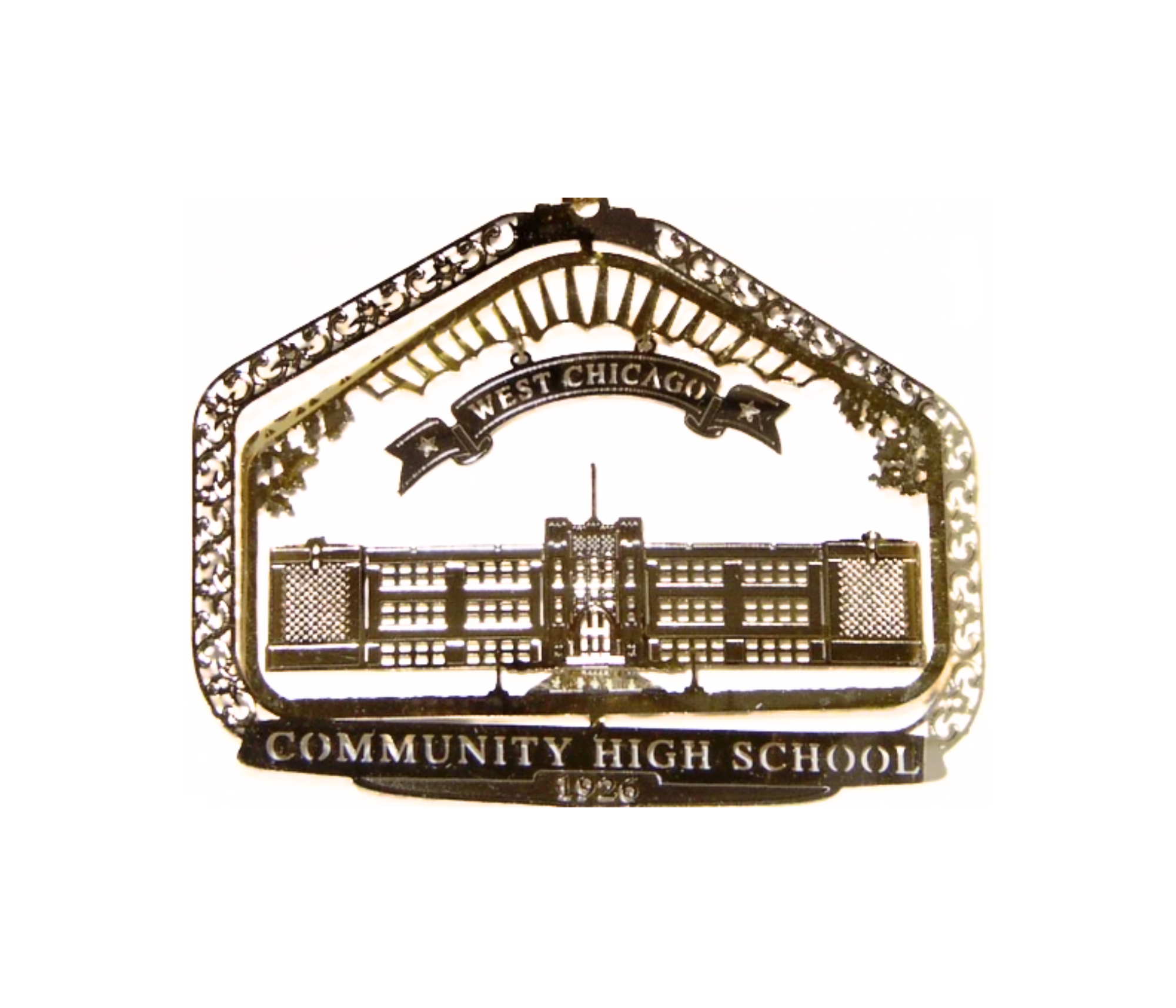
Community High School (Out of Stock)
2003
Even though a High School District was not created until 1921, high school classes were held in several elementary schools as early as the 1870s. Overcrowding in the mid-1920s moved voters to approve building a high school. Construction was completed in 1926 with the first classes beginning September 23. The first class of 27 students graduated on June 11, 1927. Additions were made in 1954, 1964, 1978 and 1998.
-
![]()
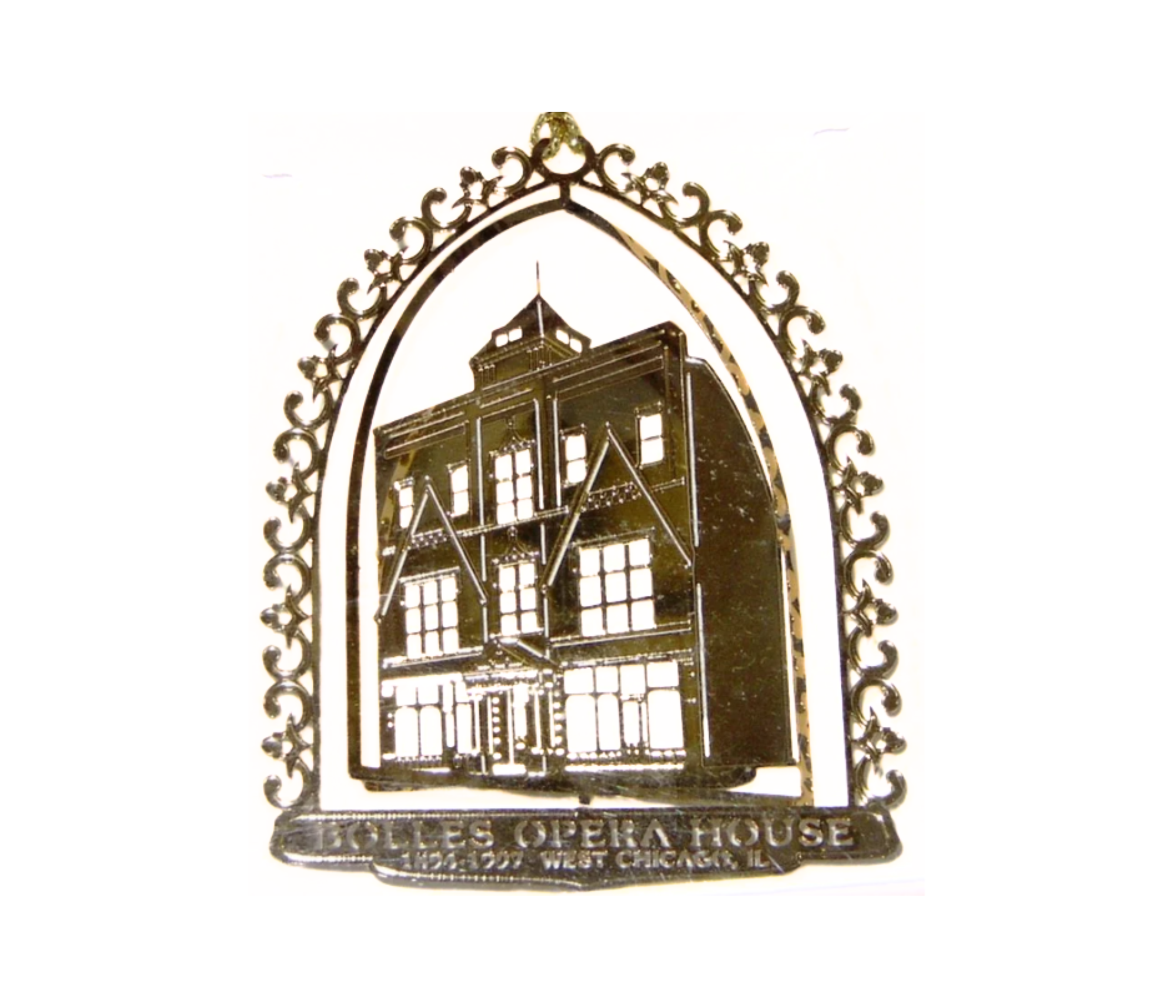
Bolles Opera House (Out of Stock)
2002
Built in 1894 by Charles E. Bolles, the Bolles Opera House was made of local Turner Brick. The three-story structure hosted musicals, dances, vaudeville shows and concerts. Despite its name, the only opera performed here was “Irma,” written by local composer John West. The building was bought in 1941 by Lindsay Light and Chemical Company and used for storage and laboratories. In 1997 the building was demolished.
-
![]()
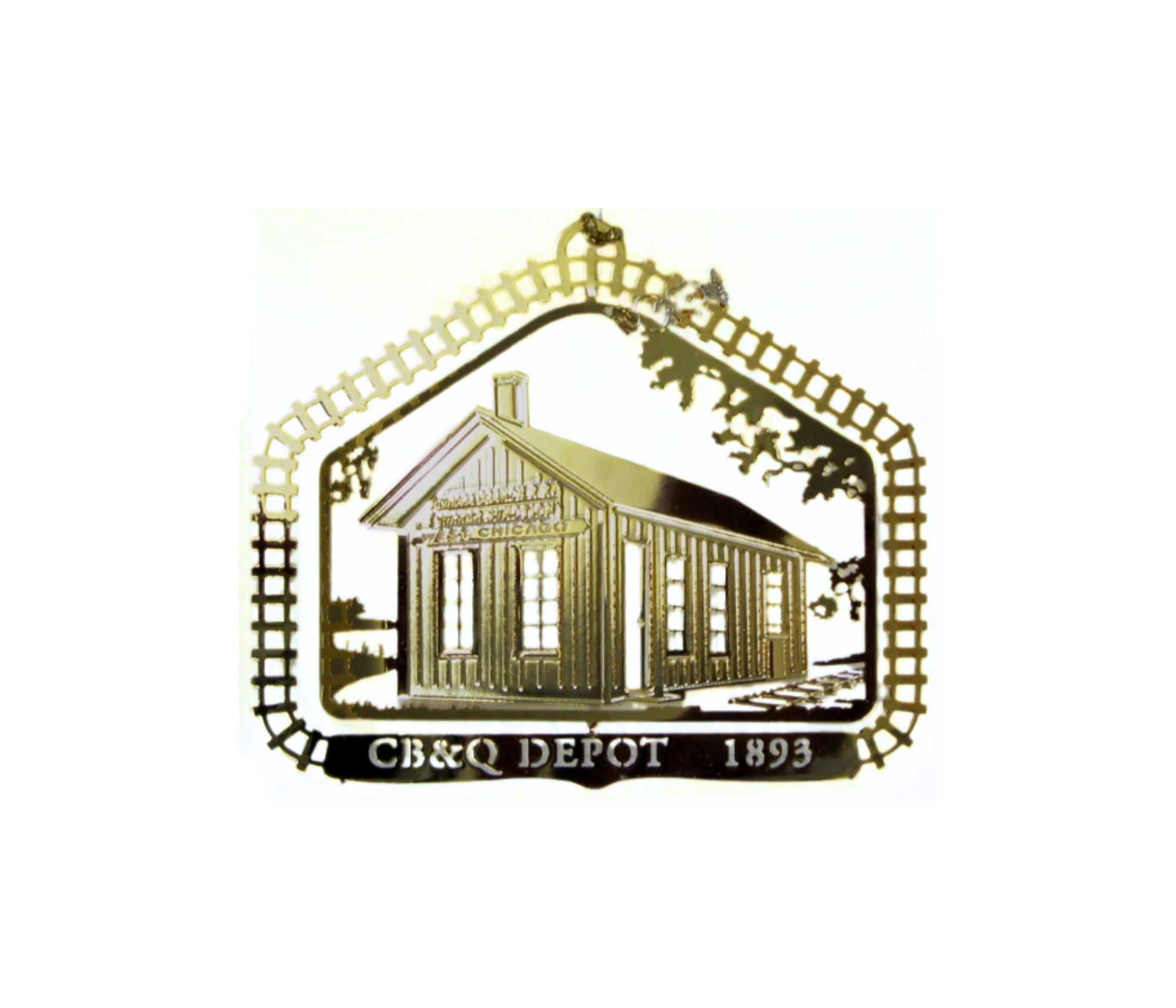
CB&Q Depot (Out of Stock)
2001
This Chicago, ,Burlington & Quincy Railroad depot was built c. 1860s. It replaced the original depot that dated back to 1850 when the Burlington built its very first track from junction (now West Chicago) to Aurora. Today’s Burlington Northern Santa Fe, our country’s largest railroad, began here. The depot was donated to the City by the Burlington in 1976. It has been moved from its original site on Wood Street and is now part of a railroad park.
-
![]()
Turner Town Hall (Out of Stock)
2000
The Town of Turner (West Chicago’s predecessor) built this Italianate style Town Hall in 1884. It served for 92 years as the community’s governmental center. The first home of local police and fire departments and the public library, the hall also hosted bazaars, art exhibits and monthly dances. In 1975 the building became the home of the West Chicago City Museum. It was designated a National Register site in 1991, due to its historical value as an early political and cultural center. It continues to hold a place of importance as the repository of West Chicago’s history.
-
![]()
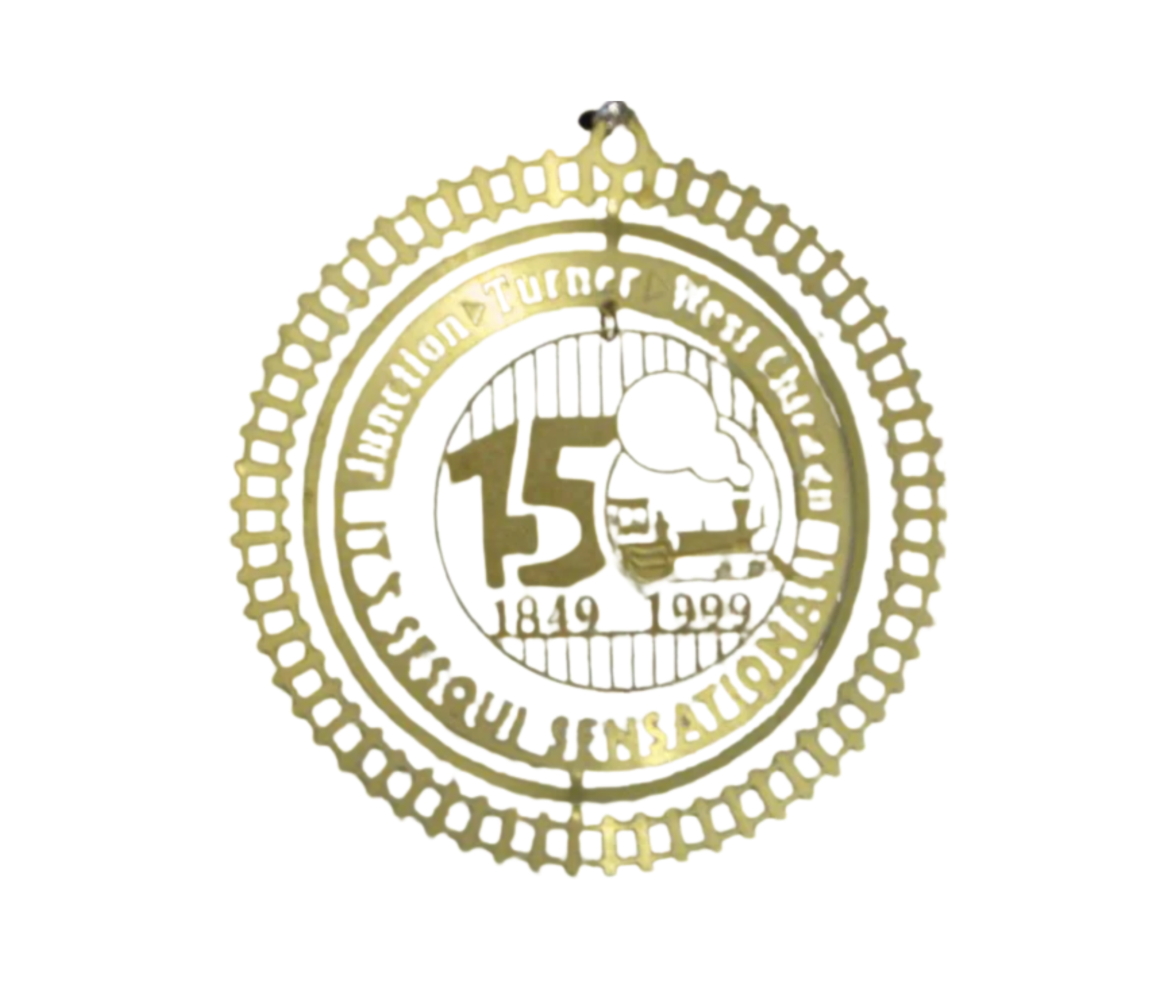
Sesquicentennial (Out of Stock)
1999
This commemorative ornament celebrates 150 years of West Chicago history. The Pioneer locomotive of the Galena & Chicago Union Railroad reached this point from Chicago in November of 1849, and began the town’s development. By 1850 Junction became known as the Town of Turner. A third name change came in 1896 when the more cosmopolitan West Chicago was chosen. At the ornament’s center is an adaptation of the Sesquicentennial logo created by Uwe Gsedl.
-
![]()
Pioneer Locomotive (Out of Stock)
1998
This was the first locomotive used by the Galena & Chicago Union Railroad which began operating west from Chicago in October of 1848. Tracks reached what would become known as Junction (now West Chicago) in November of 1849. A year later, the newly created Aurora Branch Railroad borrowed the ten ton engine to run its cars from Junction to Aurora. The Pioneer was a second-hand Baldwin engine which remained in regular service until 1858, pulling a maximum load of seven cars. Since 1972 the Pioneer has been on exhibit at the Chicago History Museum.
-
![]()
WCTU Fountain (Out of Stock)
1997
This fountain was donated to the City of West Chicago by the Woman’s Christian Temperance Union. An estimated 2,000 people attended the dedication ceremonies on October 14, 1897. The foundation was placed near the intersection of North (Washington) and Depot (Main) Streets. It was moved in 1909 to the side of North Street, when the AE&C interurban rail line laid track down Depot Street. Moved again by the 1930s to Galena and Washington Streets, it was used as a flower planter. Now restored to its original paint scheme, it is back on Main Street.